Choosing Your Base
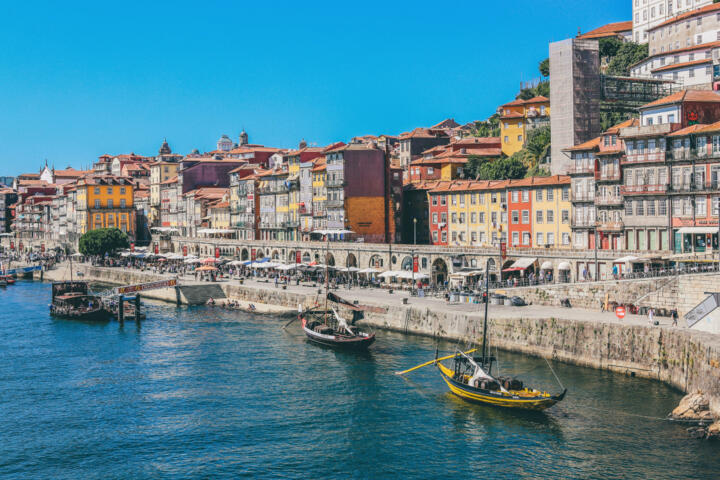
Porto’s charm lies in its diverse neighborhoods, each offering a distinct feel and access to attractions. The historical center, known as Ribeira, boasts cobbled streets and waterfront views but can be noisy at night. Alternatively, Cedofeita caters to those who appreciate a quieter, artsy vibe with boutique shops and galleries. Vila Nova de Gaia, famed for its port wine cellars, stretches along the river’s south bank, offering picturesque accommodation options often at lower prices.
The city counts nearly 350,000 residents, with roughly 3.9 million annual visitors, which means booking lodging can get tricky in peak months like June and September. Proximity matters too; staying within a 15-minute walk of key landmarks avoids exhausting daily commutes.
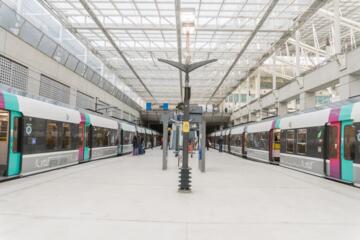
Walking and public transport dominate. Porto’s Metro runs on six lines, linking neighborhoods efficiently, and buses fill gaps. For quick trips, taxis start at €3.25, while bike rentals provide a scenic alternative for short distances.
You cannot ignore the steep hills, common in the central districts, which influence mobility choice. Suitcases on cobbled uphill streets test your patience.
Common Stay Problems
Picking a place without checking the local vibe ruins many visits. I’ve seen travelers book charming apartments on wine-tasting streets only to regret noise past midnight. Overlooking transit access means hours wasted in traffic or packed buses.
Some think every part of the city is walkable. The reality is uneven terrain and limited lifts make some old quarters taxing for those with mobility limits or heavy luggage.
Skipping details, like whether a place has air conditioning or reliable Wi-Fi, complicates work or rest, especially during summer when temperatures often hover near 30°C. Certain hostels limit early check-in, forcing daytime waits at cafes. That drains energy.
Lastly, assuming Airbnb stays will have the same standard as hotels leads to disappointment; not all hosts maintain properties well. Read recent reviews carefully.
Stay Recommendations
Ribeira for river views
Book here to absorb the classic Porto feel. Apartments here start around €80/night, with many offering terraces overlooking the Douro River. The downside is loud bars and early closing times for some transport options. Choose places with double-glazed windows to curb noise. Walking access to the Dom Luís I Bridge cuts transit needs.
Baixa for city center bustle
Baixa bustles with shopping and dining. Studios and small hotels, about €70-€90 per night, sit near tourist hubs like São Bento Station. Efficient Metro links guarantee rapid airport transfers in about 25 minutes. Some old buildings lack elevators, so check before booking.
Vila Nova de Gaia for quiet and wine
Accommodations here average €60-€75 nightly. Expect calmer streets and stunning views of Porto’s skyline. Public ferry rides cross the river every 15 minutes here, doubling as scenic transport. It’s a good base if you want to explore wineries on foot.
Cedofeita for artsy calm
If you like alternative galleries and street art, this area feels relaxed. Guesthouses here cost €50-€70 per night. Buses catch the center in 10 to 15 minutes. It’s less touristy and the vibe more local, ideal for those wanting a break from crowds.
Student quarter Boavista
Boavista offers modern hotels often including breakfast and gym facilities. It sees fewer tourists but has a few notable concert halls. Expect prices near €90-€110. The area provides easy access to the Airport by taxi (about €15) but the historic center is a 20-minute subway ride.
Booking platforms and timing
Rental sites like Booking.com and Airbnb dominate, but for last-minute deals, HotelTonight often surfaces offers 30% below list prices. Book at least 30 days ahead for arrivals in May through October. This year, July bookings jumped 23% compared to 2022, a trend that might tire last-minute planners.
Local guesthouses
For an immersive experience, consider local guesthouses (pensions) that cost €40-€60 per night. They usually come without breakfast, but neighborhood cafes serve authentic Portuguese fare. Many have fewer than 8 rooms and run family-style, contributing to a quiet atmosphere.
Transport integration
Choose places near metro stations. Getting a Porto Card covers public transport and discounts for museums. It costs €7 for 24 hours and ups to €15 for 72. Plug this into your stay planning and you cut down transit costs sharply.
Examples of Visits
A startup team from Amsterdam booked four apartments in Baixa for a 3-day conference in March 2023. They avoided taxi delays by staying near São Bento Metro and saved nearly 40€ per person in transport budget. Feedback: less walking time, more networking.
Another case: a couple spent five days in Ribeira's riverfront apartments in October. Despite noisy nightlife, their accommodation’s quality windows and early check-in option made all the difference for rest between tours. Their daily walking average was 12 km — manageable because the central location cut most transit.
Stay Options at a Glance
| Location | Price/ Night | Transit Access | Noise Level |
|---|---|---|---|
| Ribeira | €80-€100 | Metro, Walking | High late night |
| Baixa | €70-€90 | Metro Hub | Moderate |
| Gaia | €60-€75 | Ferry, Bus | Low |
| Cedofeita | €50-€70 | Bus | Low |
Errors That Cause Trouble
Booking without reading recent reviews risks unpleasant surprises. A quiet listing can turn loud quickly if renovations start or new bars open nearby. Checking maps for metro stops seems obvious but remains overlooked.
Paying for air conditioning upfront saves heat misery during a July stay. Some accommodations mention an asterisk about occasional outages, so verify with the host.
Assuming a taxi ride to the airport will always cost under €15 adds stress; surcharges apply on holidays and late-night hours. The fare can spike to €25.
FAQ
What is the best area for tourists?
Ribeira and Baixa are the prime locations for sightseeing. Ribeira offers river views and historic charm, while Baixa is the central business and shopping district with excellent public transit.
How close are Porto's main sites?
Many main attractions group within a 2-kilometer radius in the city center. Staying near São Bento or Clérigos means walking under 15 minutes to most landmarks.
Is public transport reliable?
Yes, Porto Metro and buses run on schedule, although weekends may see reduced frequency. A 24-hour ticket costs €7 and covers all lines and buses.
Are hotels more expensive than apartments?
Hotels generally cost 15-30% more than Airbnb or guesthouses but include services like cleaning and breakfast, which some travelers prefer.
Is it safe to walk at night?
Porto is relatively safe, but stick to well-lit and populated areas like Baixa and Ribeira. Avoid poorly lit streets after midnight.
Author's Insight
I've stayed in four neighborhoods across Porto over the past five years. The city feels small but has steep hills that surprise many. Avoid carrying heavy bags up narrow staircases. Early booking makes a big difference in availability and price, especially in Ribeira. Using the Porto Card cuts costs on transit and museums, leaving more budget for food and wine.
Key Takeaways
Match your lodging choice to your daily plans: select Ribeira or Baixa for sightseeing, Gaia for quiet and wine tours, Cedofeita for arts and calm. Book early, check transit links, and watch noise levels to avoid discomfort. Bringing the Porto Card helps travel smoothly. Lastly, double-check reviews and amenities for a smooth stay.